X65 - 8/16-bit computer
X65 is a retro/modern 16-bit computer that I designed inspired by the architecture of Commander X16 (CX16). It is based on the legendary 6502 / 65816 processors, which, incredibly, are still in production in 2023 and beyond.
X65 is an open-source - you can find all schematic and sources in my GIT repository:
https://github.com/jsyk/x65
Mechanical design files (enclosures) are available in a seperate GIT repository:
https://github.com/jsyk/x65-mech
Blog related blog posts on this site are available under the ling: Category=X65
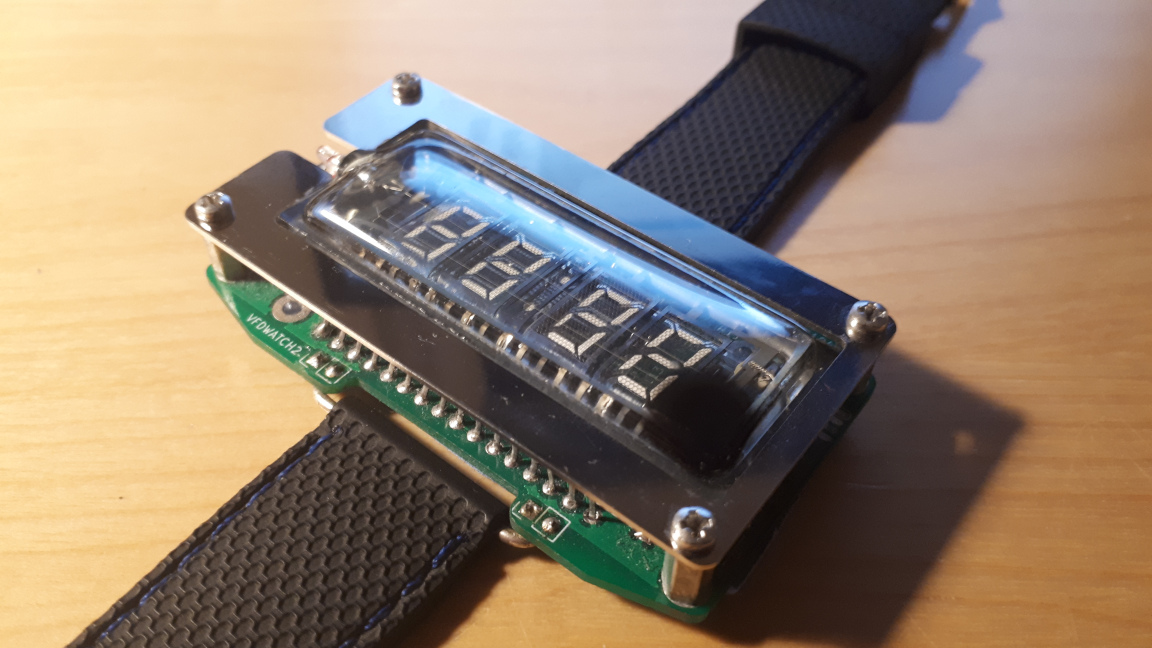

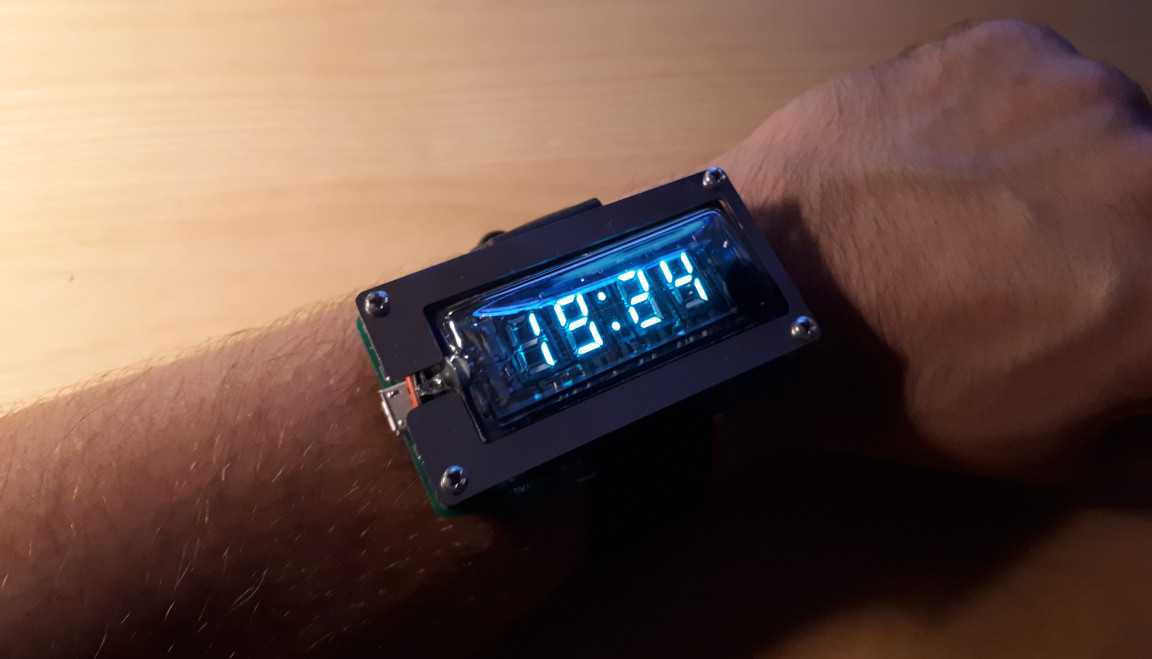
Vacuum Tube Watch "EVERGLOW" v2.1
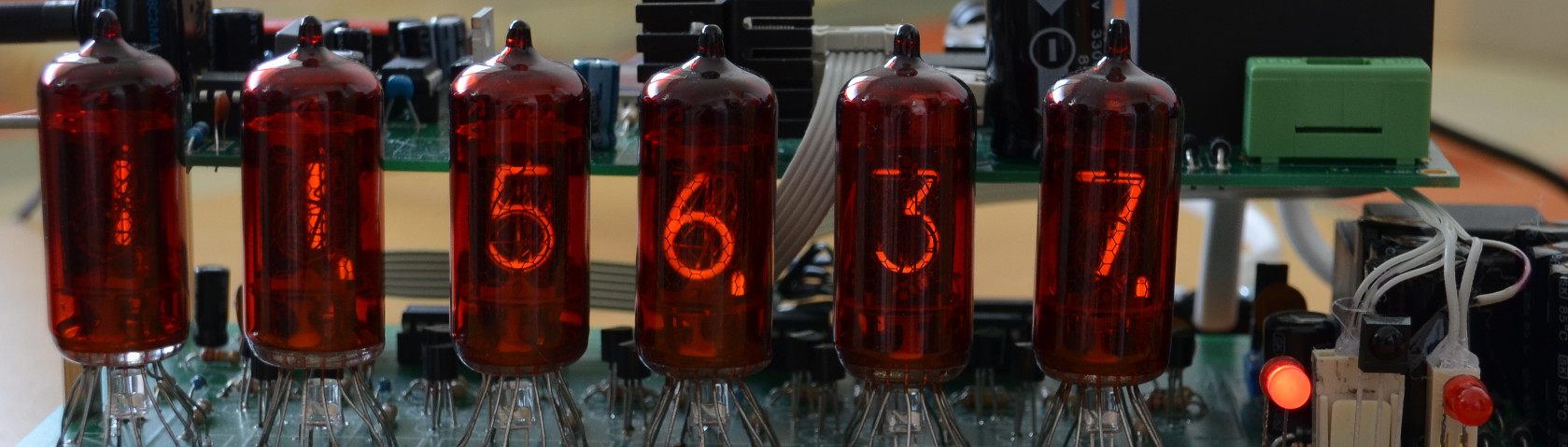
The “EVERGLOW” Watch is a vacuum tube clock put on the wrist:


Features:
- Soviet VFD tube IVL2-7/5
- Time (24h), Date, (dd-mm-yyyy), day of week (Mo-Tu-We-etc).
- Alarm clock (7-day) with a beeper.
- Stop-watch (00:00 => 9:59:59)
- Count-down clock (99:59 => 00:00)
- 50mAh LiPo accumulator (lasts 1-2 weeks), charging over a Micro-USB -port.
- Two buttons for activation and settings.
- Dimensions 70 x 41.5 x 11mm
- Open hardware, open source.
- // DESIGNED IN CZECHIA //
- // HACKABLE SOFTWARE INSIDE //
Photo Galery
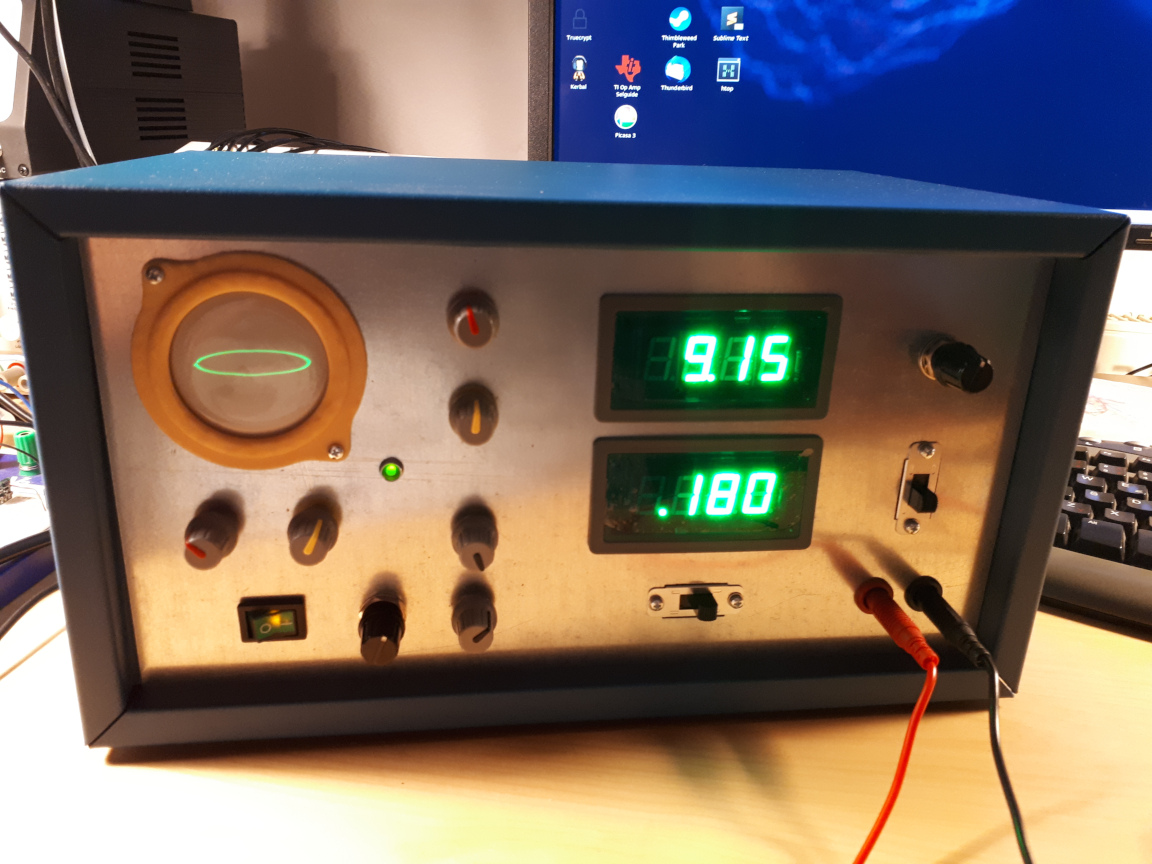
Analog Curve Tracer
A signature curve tracer is a simple yet useful device in any electronics lab. It shows in picture form the V/A characteristic of a two-terminal device under test (DUT), such as a resistor, a capacitor, a diode or any PN junction. It could also be used to characterise a transistor or an optocoupler, if additional drive circuit for the third terminal is used. Another use is in locating circuit faults: as the probe terminal of the Curve Tracer is brought to every pin of an IC mounted on the probed but unpowered PCB, a faulty IC pin will typically exhibit much different VA characteristic than the other pins (because some structures on that pin a burned out inside the IC).
PIP-Watch
PIP-Watch (Personal Information Panel) is an open-source smart watch with an ePaper display, a bluetooth modem and a Li-Ion accumulator.
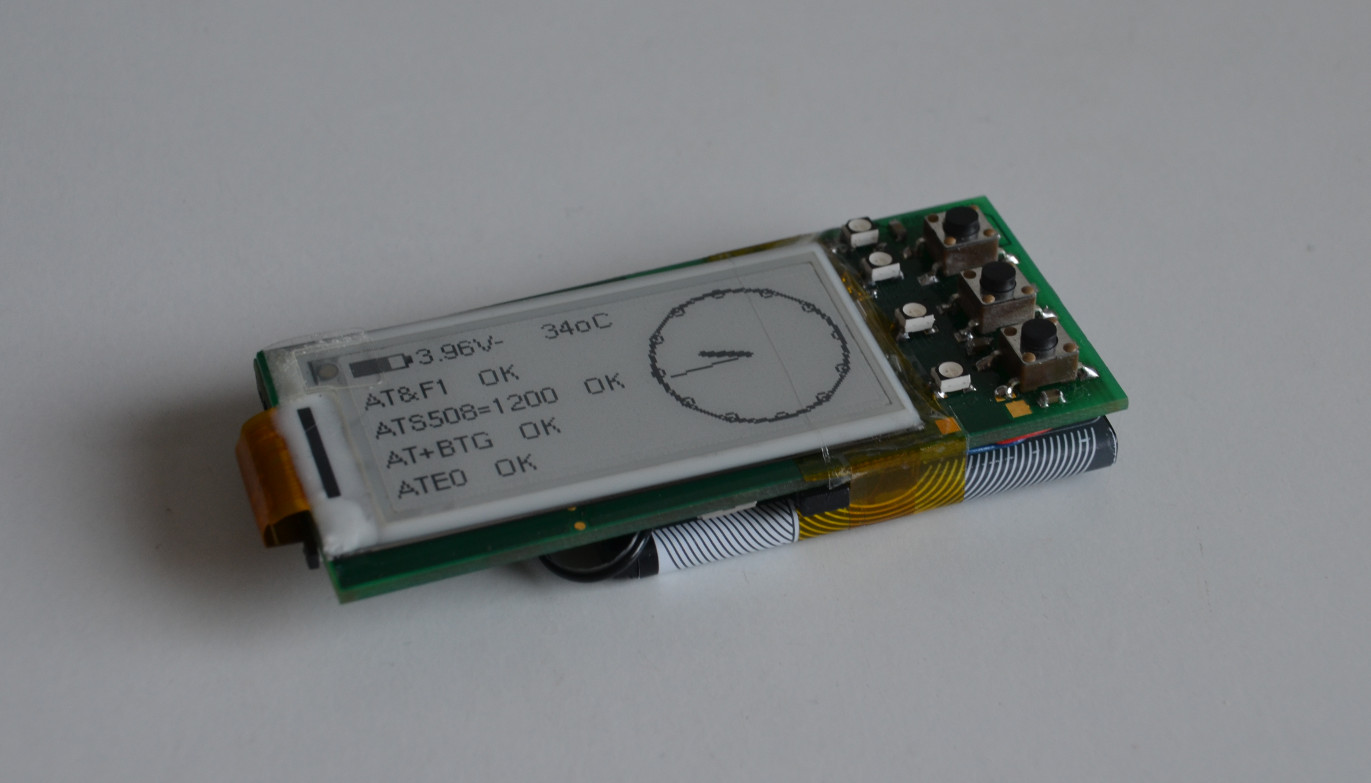
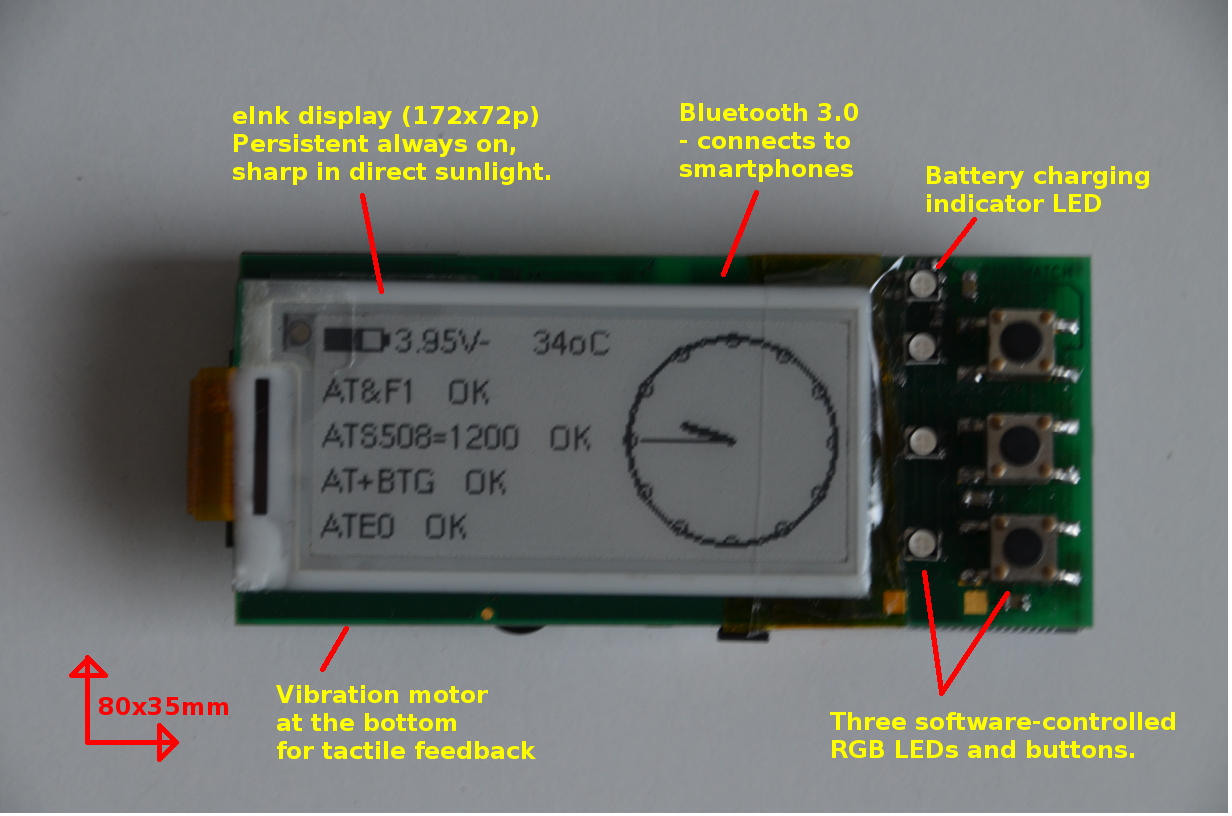
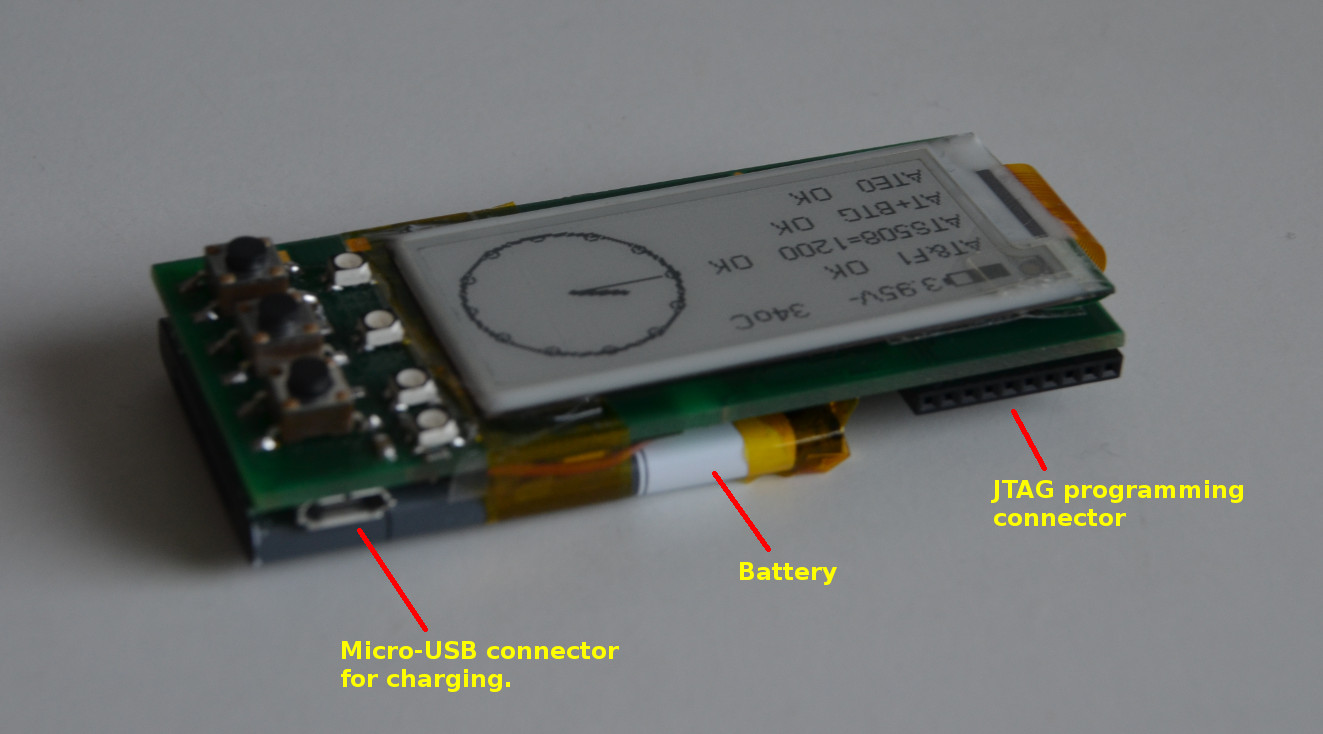
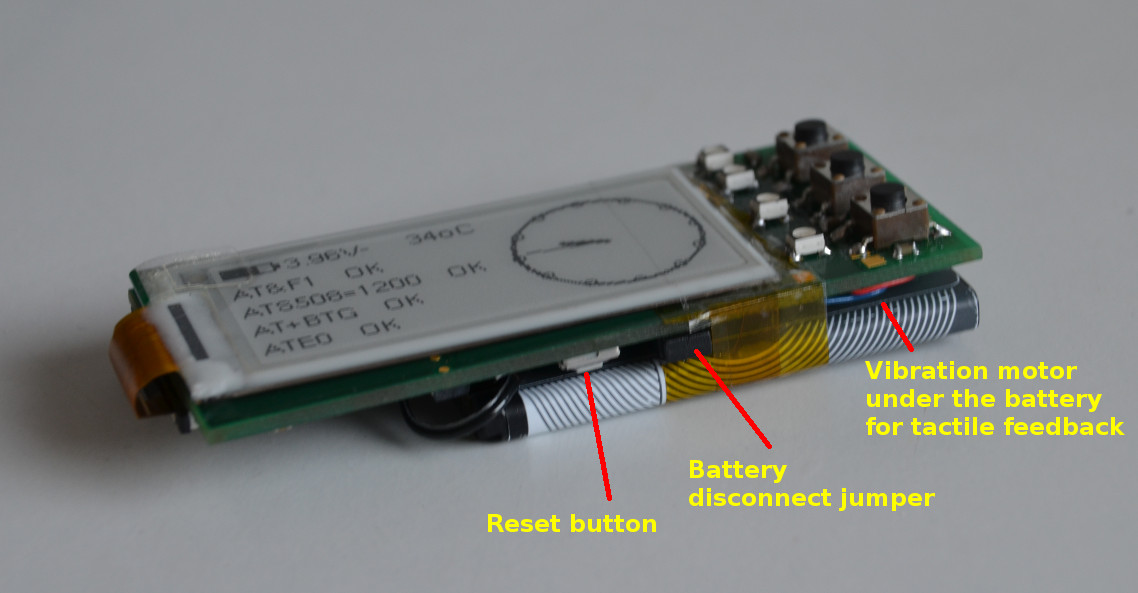
This is a work in progress… And this project takes part in the HACKADAY Prize contest!

…Show Pip-Watch uses a small ePaper/eInk electrophoretic display (EPD). Electrophoretic displays have high contrast even in sun light, and very low power consumption, making them suitable for always-on battery-powered embedded devices. Low power consumption comes from the fact that the EPD draws no power when just displaying still image; it needs energy only when redrawing the screen.
Talking Clock
The talking clock can tell the current time aloud in English. Time announcement is triggered by pressing a button on a remote controller. When I awake at night I cannot recognize digits on any wall clock because I don’t have my dioptric glasses on. But I can easily find remote controller and press the trigger button just by touch, and thus learn that I don’t have to get up just yet (ideally).
Asynchronous and Dynamic Virtualisation through performance ANalysis to support Concurrency Engineering (ADVANCE)
http://www.project-advance.eu/, Funded by EU FP7 My involvement: March 2012 - August 2012.
I worked on project ADVANCE during my 6 months stay at Heriot Watt University in Edinburgh. This endeavour was kindly arranged and supported by prof. Scholz.
In ADVANCE the project goal was to develop general methods for optimization of parallel systems, composed of computing boxes and communication streams, connected in a network. System infrastructure would observe execution in boxes, gather statistics, and construct a model of the system. Based on the model the system would automatically optimize placement of boxes on compute nodes (processor cores).
Architecture Paradigms and Programming Languages for Efficient programming of multiple CORES (Apple-CORE)
http://www.apple-core.info/, Funded by EU, FP7-ICT-215215. My involvement: August 2009 - January 2011.
When I started my Ph.D. study in 2009 the first project I worked on was Apple-CORE. Our research group in UTIA was tasked with developing an FPGA prototype of a micro-threading (~multi-threading) processor based on the specification provided by project partners. The processor that we developed is called UTLEON3. It is based on the LEON3 from Aeroflex Gaisler, a commercial open-source implementation of the SPARCv8 RISC architecture. UTLEON3 was released as an open-source under the GPL license as a supplement to our book about the implementation.
Projects
Projects, mostly home-brew:
- 2023-ongoing: X65 8/16-bit computer
- 2019 DIY VFD-Watch v2.1 (finished)
- 2019 DIY Analog Curve Tracer (finished)
- 2014 DIY PIP-Watch (never to be finished)
- 2010 DIY Talking Clock (finished)
- 2013 SMECY (February 2011 – January 2013)
- 2012 ADVANCE (March 2012 – August 2012)
- 2011 Apple-CORE (August 2009 – January 2011)
Smart Multicore Embedded SYstems (SMECY)
http://www.smecy.eu/ , Funded by EU Artemis JU 100230. My involvement: February 2011 - January 2013.
Project SMECY was the second research project I worked on, right after the Apple-CORE has ended. SMECY focused on developing tools for programming large multicore systems.
In SMECY our task in UTIA was to augment existing FPGA-based accelerator platform and make it available to project partners so that they will create parallelizing compilers from higher languages. We closely cooperated with our industrial partner CIP plus to develop a demo application: an FPGA-based board with a camera module and with an embedded system for live video motion detection.